In the past, prior to the advent of edge computing, it was thought of as an expensive and complex technology that was reserved for large enterprises with equipment that was specialized. The perception of edge computing is changing. Businesses across the UK are discovering that scalable and cost-effective solutions can produce powerful results with minimal complexity.
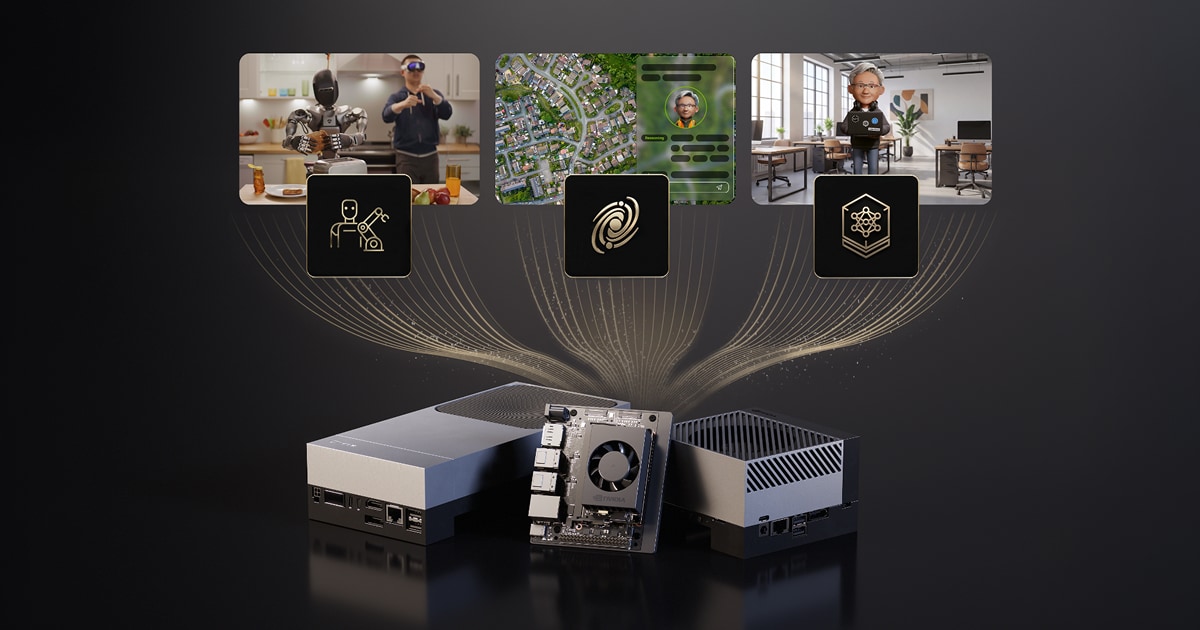
Platforms that offer scalability, as well as simplicity are at the heart of this revolutionary change. The edge computing solution UK firms are now able to rely on looks very different than the typical configuration. Instead of relying exclusively on central data centers businesses are bringing processing closer to the places where data is created.
This speed increase lowers latency, and opens up opportunities for real-time decision making.
Small Devices and Enterprise Systems
The Raspberry Pi’s status as a tool for education has been transformed in a dramatic manner. It was once thought of as a gadget for the enthusiast is now utilized for real-world infrastructure in fields like manufacturing logistics, smart environments, logistics, and more.
Through platforms like ScalerPi companies can turn the single device into an integral part of a larger integrated system. The Raspberry Pi cluster model for production allows for multiple units to be used in conjunction to create an integrated system that can handle large-scale workloads.
The method allows for scaling from a simple prototype to thousands of devices working together.
The Edge of Kubernetes Kubernetes to the Edge
Modern infrastructure is often dependent on containerized apps as well as orchestration tools. Kubernetes is now the standard to manage these environments, however, running it on the edge poses new issues.
On-premise kubernetes services allow users to maintain control over your environment while still enjoying the versatility that container orchestration can provide. Instead of only relying on cloud service providers, businesses can install and manage their systems locally.
This creates a balance between performance and control, allowing organisations to adapt their infrastructures to meet specific requirements of their operations. ScalerPi helps bridge this gap by combining the expertise of hardware with modern software techniques, making the most advanced deployments more accessible.
What is the reason Data Sovereignty Gains Importance
In the midst of increasingly complex data regulations, companies are more attentive to the data storage location that is stored and managed. In many instances using cloud providers that are not internal providers raises questions about control and compliance.
A sovereign cloud solution UK organizations can implement offers a way to keep data within national boundaries while maintaining high performance. This method guarantees that sensitive information is safe and in compliance with local laws.
Through integrating edge computing into an infrastructure that is sovereign, companies are able to attain both flexibility and accountability. Data is processed nearer to the source but is still managed in an environment that is controlled.
Simplifying Complex Deployments
The administration of large numbers of devices poses a significant challenge to edge computing. As deployments grow, maintaining performance, security, consistency and consistency becomes more difficult.
ScalerPi tackles this by providing a full-stack approach that includes the supply of hardware, device management and consulting. This integrated model simplifies the process, allowing teams to focus on their work rather than the infrastructure.
Edge computing solutions that UK businesses can trust shouldn’t require constant involvement. The solution must automate processes, monitor performance and ensure reliability for all devices.
Systems for Building that Scale With confidence
Planning is crucial to scale from a prototype to full production. Each step presents new challenges, ranging from selecting the right hardware, software integration and regular maintenance.
This is made possible by a Raspberry Pi cluster strategy that creates a framework for expansion. The system can be enlarged as you grow your company by adding or adjusting devices without disrupting the system.
This flexibility is particularly valuable for businesses that are trying out innovative technologies or entering new markets.
A Future of Control and Flexibility
The future of infrastructure is moving toward infrastructure that is open that are flexible, flexible, and efficient. Businesses no longer wish to be tied into rigid systems that restrict their potential to develop.
Tools like a kubernetes on-premise solution or a UK sovereign cloud service give organizations greater control over operations and data. Together with the scalability provided by Raspberry Pi clusters these technologies will give you a solid base for a long-term, sustainable success.
Edge Innovation: Moving Forward by implementing Edge Innovation
Edge computing is no longer just an trending concept. It is now an actual solution to current problems. By combining affordable hardware with advanced software, businesses can develop systems that are strong and efficient.
ScalerPi continues to aid companies to bridge the gap between physical devices and cloud-based technologies. Through thoughtful design and reliable deployment, it is making edge computing accessible to organizations of all sizes.
As more companies begin to explore the potential of distributed systems, their ability to scale safely and effectively will determine the success of their business in the coming years.