The cooking oil that is used on a regular basis is something many people don’t think about. It’s simple to pick up the bottle that is close and assume it’ll work to do everything. Oils react differently based on the temperature, flavor or the composition of fats. Understanding the difference is one of the best ways to cook better food at home.
The decision shouldn’t be based solely on the latest headlines or trends. The decision should be made in light of the performance of each oil in real cooking situations.
Why Oil Choice Matters More Than You Think
When cooking, oil serves three important roles. It transfers heat from the oven to the food. It also adds flavor, either subtly or noticeably. Thirdly, it may influence nutrition, depending on its type and stability at high temperatures.
Overheated oils begin to break down. It can also produce a bad taste and lower nutritional value. If you are using the wrong oil, your food may be bland, bitter, or oily.
Olive Oil for Cooking: Best Used With Intention
Olive oil is being studied and widely used in cooking. Olive oil is made by pressing olives. It’s a good source of monounsaturated oil, as well as antioxidants including polyphenols.
Extra virgin oil is peppery, fruity and strong. This makes olive oil for cooking ideal for salad dressings, marinades, roasted vegetables, light sautéing, and finishing dishes. The flavour is enhanced in these types of situations and is not diminished.
Extra virgin olive oil may not have the same smoke point as many people believe. It is more refined and suitable to cook at higher temperatures. It is milder in taste and has a higher heat tolerance. This makes it ideal for cooking with higher temperatures such as frying baking, roasting and baking.
When used properly When used correctly, olive oil offers nutritional and flavour benefits. But, it’s recommended that the heat is kept under control.
Coconut Oil: Stable but Specific
Coconut oil is a different kind of oil as olive oil does. Coconut oil is very stable due to its high content of saturated fat. Coconut oil is popular for its stability.
The refined coconut oil has very little taste and is suitable for baking and frying, in which heat stability is crucial. Unrefined coconut oil has a strong aroma and flavor of coconut. This flavor is ideal in curries, desserts, and stir-fries but can also clash with other food items.
From a health perspective In terms of health, coconut oil is best employed infrequently, not as a daily staple. Coconut oil is extremely effective at temperatures that are high, however it isn’t as antioxidant-rich of olive or avocado oils.
Avocado Oil It is neutral and heat-friendly.
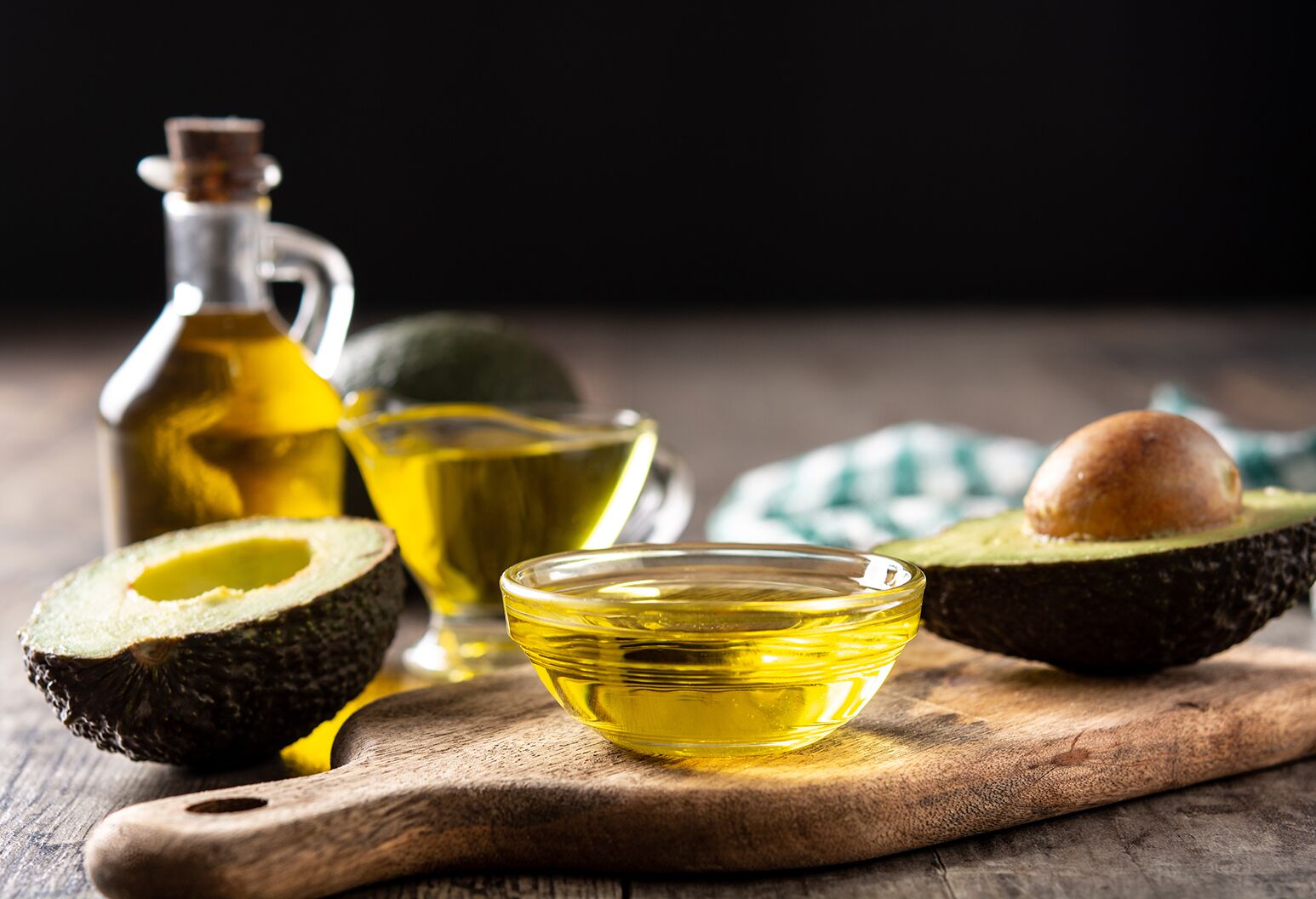
The widespread use of avocado oil is because of its capacity to withstand temperatures. Avocado oil is the highest smoke-to-smoke ratio of oils that are typically used in cooking. It is great to roast or sear food cooking, grilling, and frying.
Avocado oil has a significant quantity of monounsaturated fats as well as vitamin E. It’s therefore more similar to coconut oil in terms of benefits for health as compared to olive oil. Its flavour is mild and neutral, making it a great choice for those who don’t want the oil to interfere with the flavor of the food you are eating.
Avocado oil is usually the best choice for cooking at high temperatures while making sure to choose a healthy fat.
Utilizing Oils in the Smart Way
There is no one oil that is ideal for every job. Make sure you have several oils available and make sure to use them in a planned manner.
Avocado oil is best to cook in high-temperatures. Avocado oil is ideal for high-heat cooking. Coconut oil can be used for cooking when distinctive flavor and stability of the heat is desired.
When you recognize these variations, you’ll be able cook more consistently and without guesswork.
New Basics for Better Cooking
Cooking that is good doesn’t need complicated methods or costly ingredients. It often comes down to small, logical choices made consistently.
Learning the right time to use coconut oil, olive oil, and avocado oil to cook is among the most effective ways to enhance flavor, texture, and confidence in the kitchen. Once you understand how oils react, cooking will be much easier and more enjoyable.